ChatGPT Now Remembers All Past Conversations — The Long Memory Upgrade
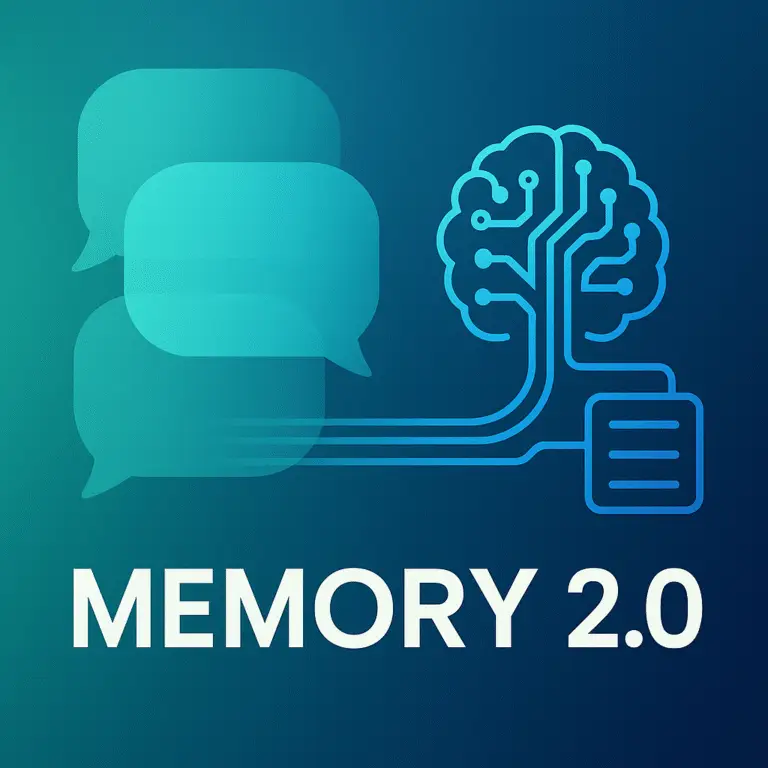
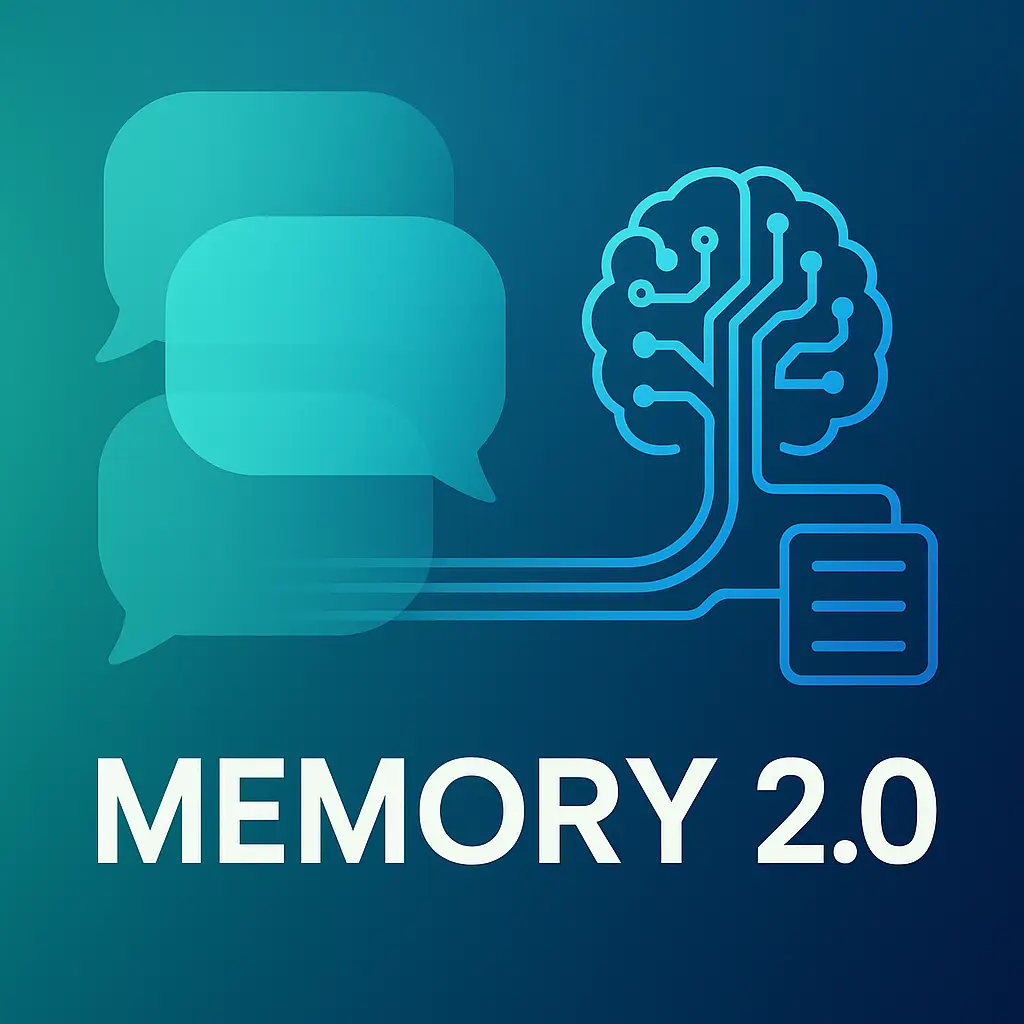
OpenAI has launched a sweeping “long memory” upgrade for ChatGPT, allowing it to reference all past conversations—not just saved ones. For users, this means your past interactions inform future replies, making the AI seem more human, consistent, and personalized.
What Happened
- As of April 2025, ChatGPT’s memory now operates via two channels: “saved memories” (explicit) and reference chat history (implicit) to improve future responses.
- The update is available to Pro subscribers first, then rolling out to Plus, Enterprise, and Education plans globally (excluding EU/UK due to regulatory constraints).
- Memory control: users can disable memory for certain conversations or turn off personalization features.
Why It Matters
- Continuity in interactions. ChatGPT now “remembers” your preferences, ongoing projects, and past prompts — enabling deeper, more coherent conversations.
- Better alignment to you. Memory helps reduce repetition, re-contextualization, and startup friction in multi-session chats.
- Higher expectations. As memory deepens, AI errors, bias, or misalignment become more visible. Companies using ChatGPT will need stronger guardrails.
- Competitive alignment. Google Gemini and Anthropic can’t ignore this shift — memory is now baseline for serious user-first AI.
What’s Next
- Wider rollout beyond paid tiers into free or freemium models.
- Contextual memory filtering: the AI will learn what to remember vs what not to.
- Memory monetization: custom memory modules for apps or businesses.
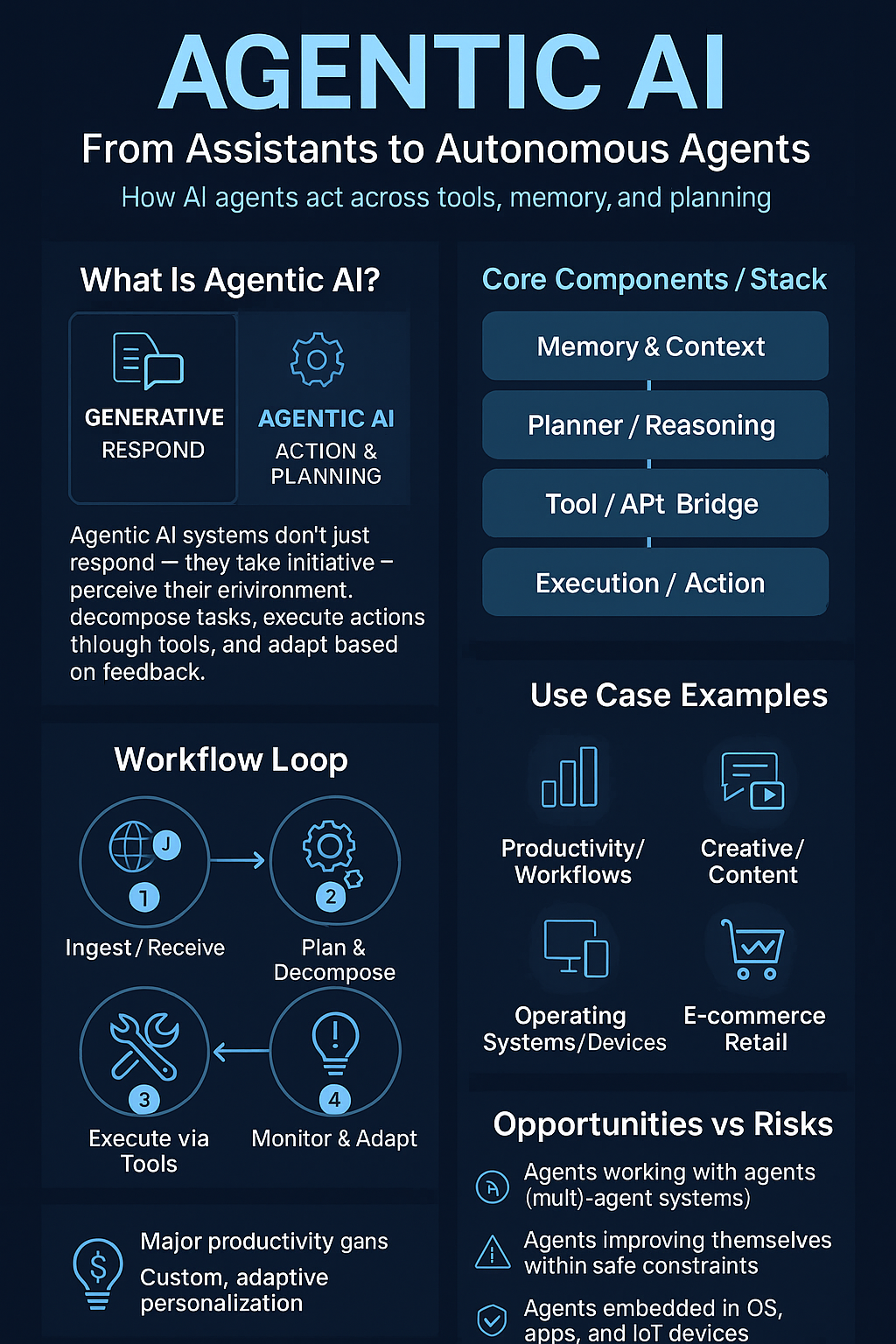
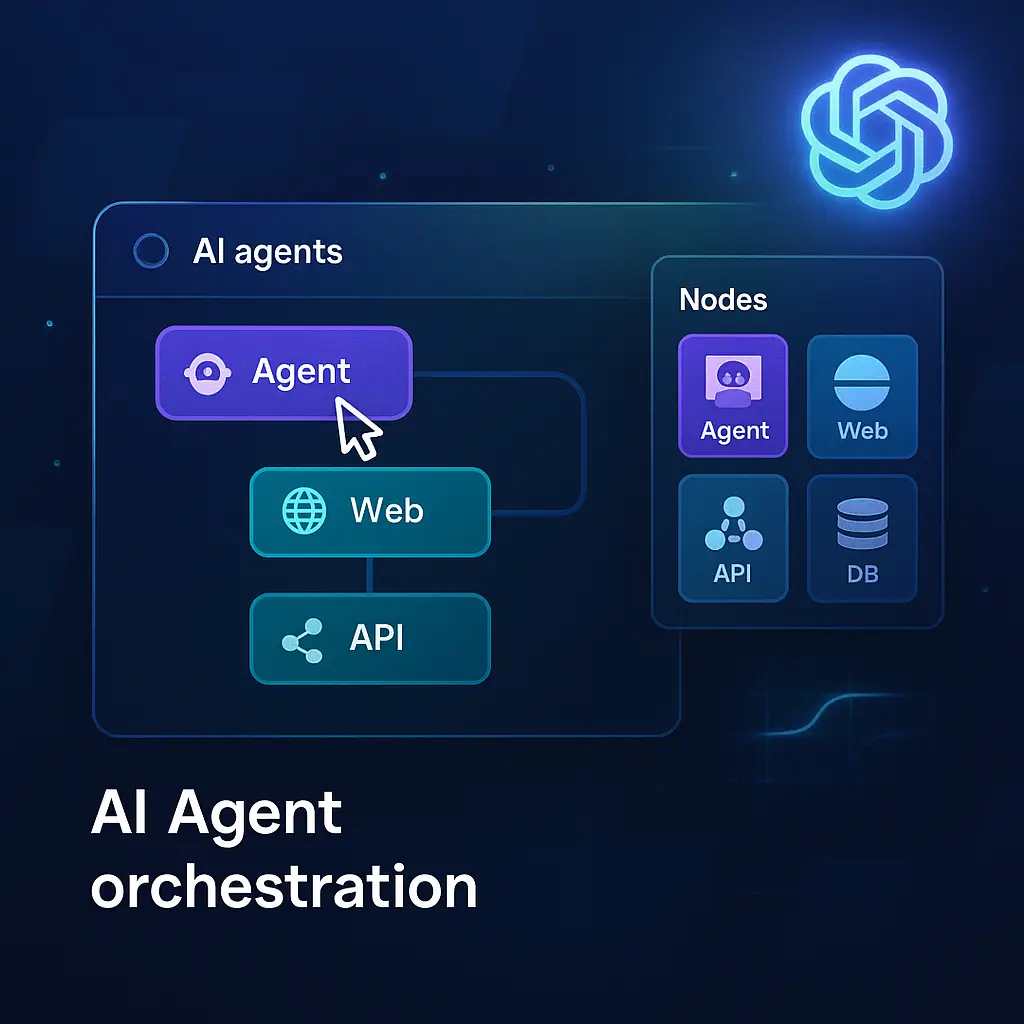
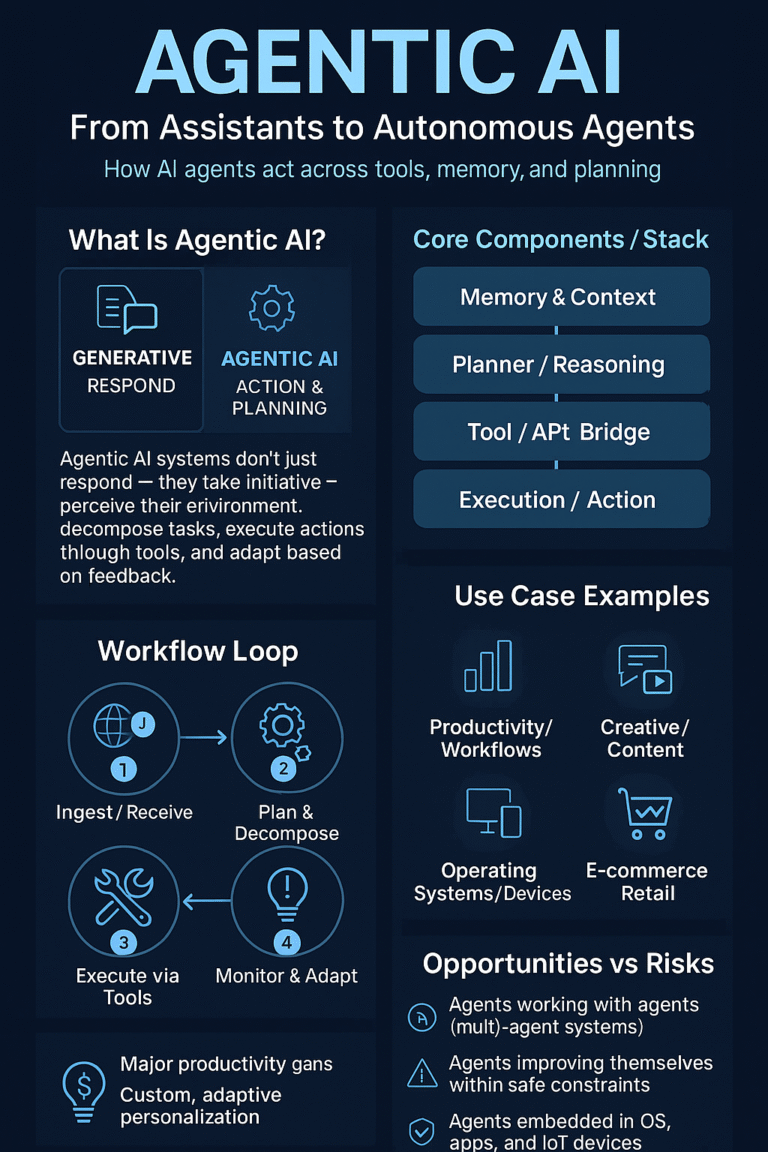
- Memory + agent interplay: agents using memory to carry multi-step plans over days/weeks.
“ChatGPT doesn’t just talk — it remembers now.”
Key Takeaways
- ChatGPT’s memory upgrade enables referencing of all past chats.
- Two memory modes: explicit (saved) + implicit (history).
- Initially limited to Pro users, expanding later.
- Offers deeper conversational continuity and personalization.
- Raises responsibility demands as AI becomes more aware.