Google’s Game-Changing AI Updates: Agentic Design Patterns, Mixboard, and LearnLM Redefine Creativity and Education
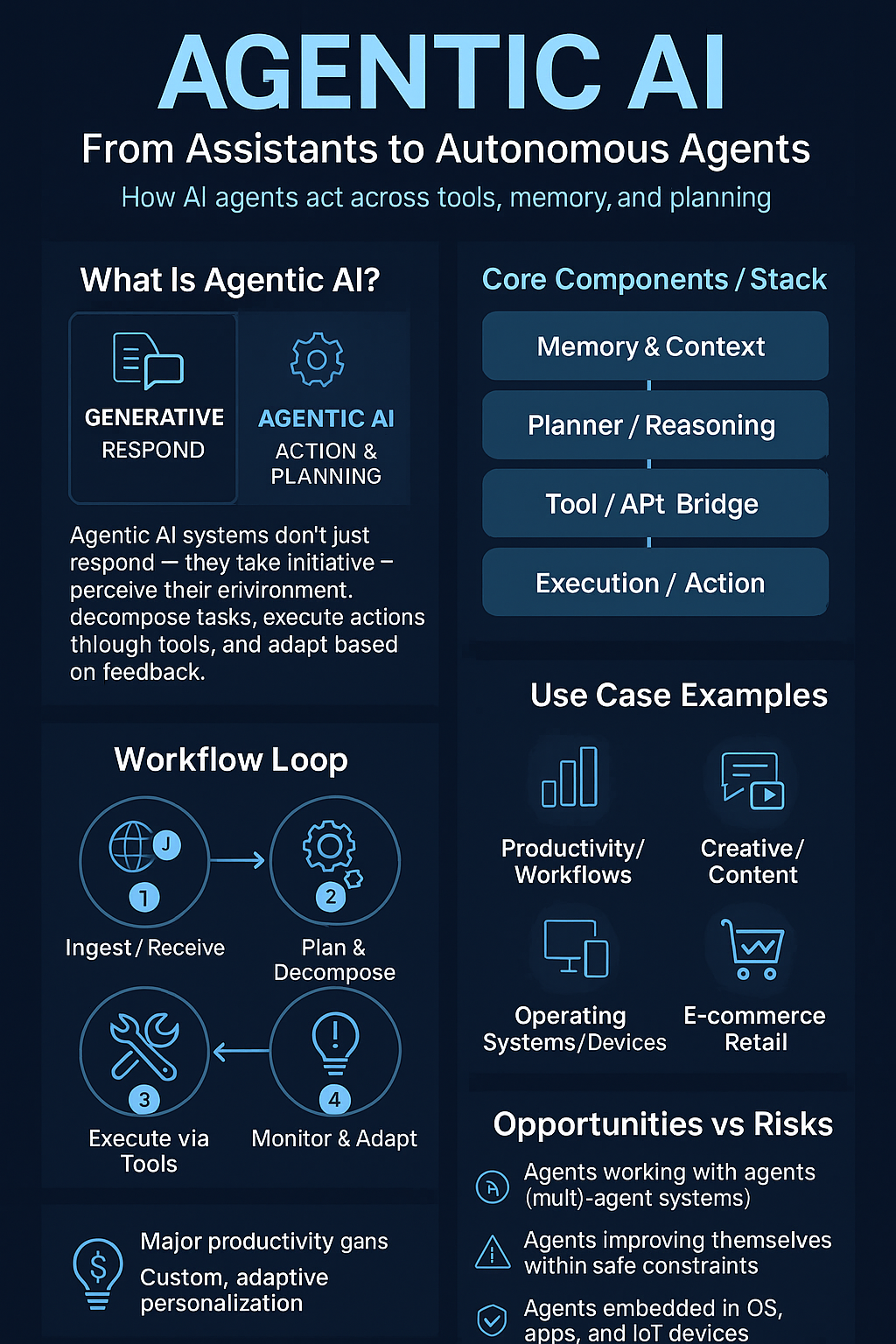
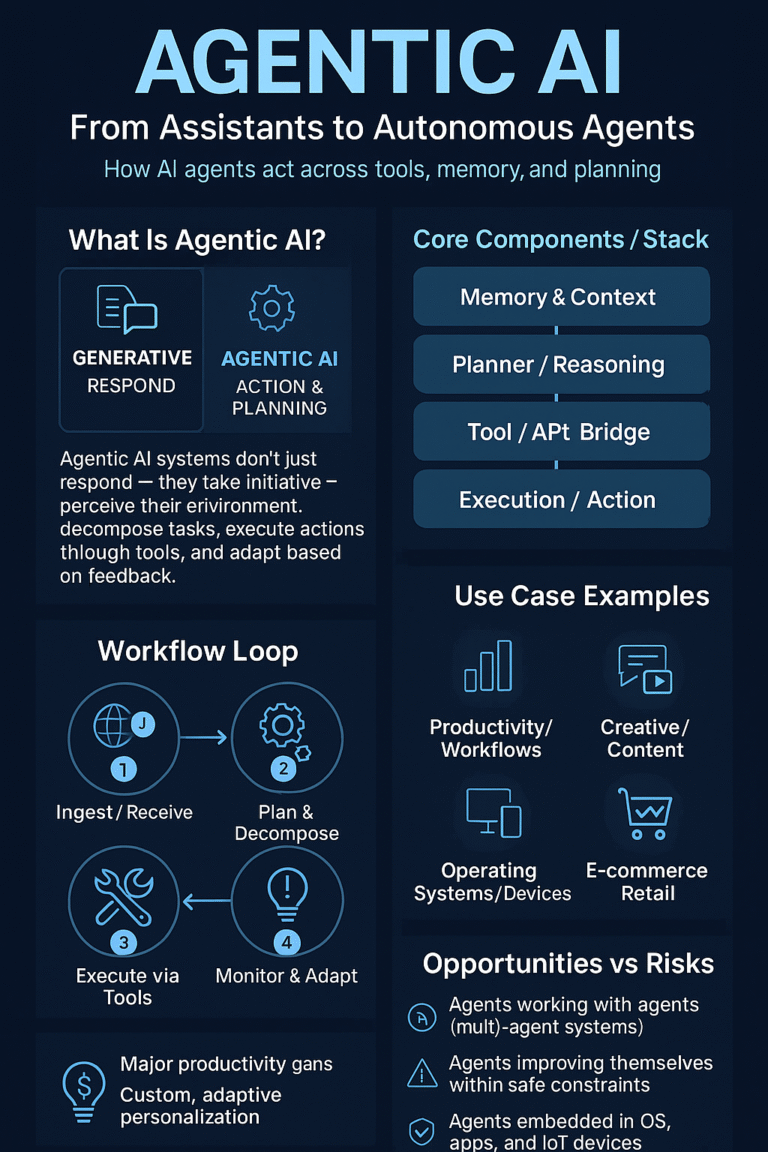
Google is going all in on Agentic AI — systems that don’t just respond but act, plan, and collaborate. The tech giant recently unveiled a trio of major AI tools: Agentic Design Patterns, Mixboard, and LearnLM. Together, they aim to redefine how humans create, learn, and interact with intelligent systems.
This isn’t just another model update. It’s a strategic statement: Google wants to dominate the next generation of practical AI frameworks — the kind that turns artificial intelligence from a chatbot into a capable digital co-worker.
What Happened
At a developer event earlier this month, Google announced a comprehensive set of updates under its “Agentic AI Toolkit” initiative. The rollout includes:
- Agentic Design Patterns Guide — A free, open-source framework that helps developers build AI agents capable of reasoning, goal-setting, and task management.
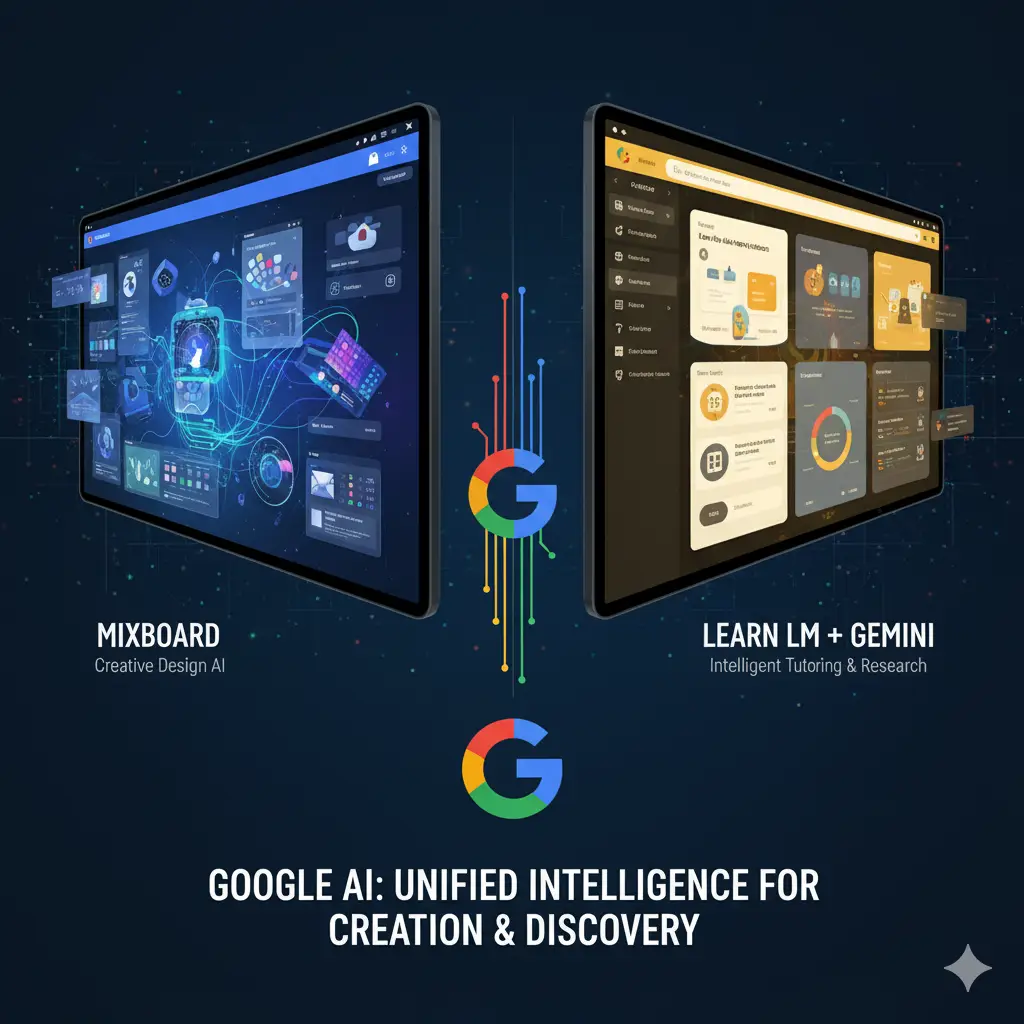
- Mixboard — A creative concepting tool that generates visuals, layouts, and product ideas in seconds based on natural language prompts.
- LearnLM — A learning-focused large model that personalizes study materials, transforming static PDFs into interactive, adaptive lessons.
All of these are powered by Gemini 1.5, Google’s most advanced multimodal model to date, capable of understanding and generating text, image, and audio simultaneously.
According to Google Cloud’s AI team, the Agentic AI market could hit $1 trillion by 2040, and these tools are Google’s blueprint for leading that charge.
Why It Matters
- From Chatbots to Agents
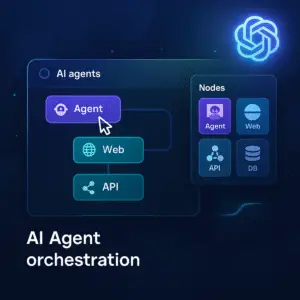
For years, AI assistants have been reactive — waiting for instructions. Agentic AI flips that paradigm. With design patterns for reasoning, developers can now build agents that:
- Anticipate user needs
- Break down complex goals into tasks
- Learn and iterate over time
This represents a massive leap from tools like Bard or traditional chat-based systems toward true autonomous collaboration.
- Mixboard and the Death of Creative Blocks
With Mixboard, Google merges generative design with practical creativity. Instead of sifting through Pinterest or mood boards, users can generate original concept art, test variations, and visualize end results — all in one interface.
Mixboard’s power lies in its adaptability: whether you’re a designer prototyping packaging, a marketer planning visuals, or a DIY hobbyist planning a home setup, it turns text prompts into polished design outputs.
- LearnLM and the Future of Education
LearnLM, Google’s most ambitious education model, personalizes learning to each student. It understands not just what you’re learning, but how you learn best.
Key features include:
- Instant summarization of uploaded PDFs or textbooks
- Audio quizzes and visual mind maps based on learning patterns
- Real-time feedback and progress tracking through Gemini integration
Early trials showed 11-point improvement in retention scores and higher confidence among learners. This could make traditional textbook learning obsolete — a true “AI tutor for everyone.”
- Google’s Strategic Positioning
Google isn’t trying to replace OpenAI — it’s building the scaffolding for the entire Agentic ecosystem. By open-sourcing design frameworks, Google ensures developers everywhere can build Gemini-compatible agent architectures, effectively expanding its ecosystem faster than any closed competitor.
What’s Next
Over the coming months, Google plans to:
- Integrate Agentic Design Patterns into Google Cloud and Workspace tools.
- Add multi-user collaboration to Mixboard, allowing shared creative sessions.
- Embed LearnLM into Google Classroom, Docs, and Android Education Suite.
- Roll out Agent Studio, a unified environment for building and deploying autonomous agents.
The company also hinted at a future where these tools will interconnect, enabling agents to design visuals, plan campaigns, and teach new skills in a single workflow.
“Google isn’t just teaching AI to think — it’s teaching it to act, collaborate, and create.”
KEY TAKEAWAYS
- Google launches Agentic Design Patterns, Mixboard, and LearnLM as part of its Agentic AI push.
- Tools powered by Gemini 1.5 enable reasoning, creativity, and adaptive learning.
- Marks a shift from chat-based AI to goal-oriented autonomous agents.
- Mixboard challenges Adobe’s creative suite; LearnLM disrupts edtech giants.
- Google aims to open-source the agentic framework, setting industry standards.