The Rise of Agentic AI: From Chatbots to Autonomous…
The Rise of Agentic AI: From Chatbots to Autonomous Colleagues
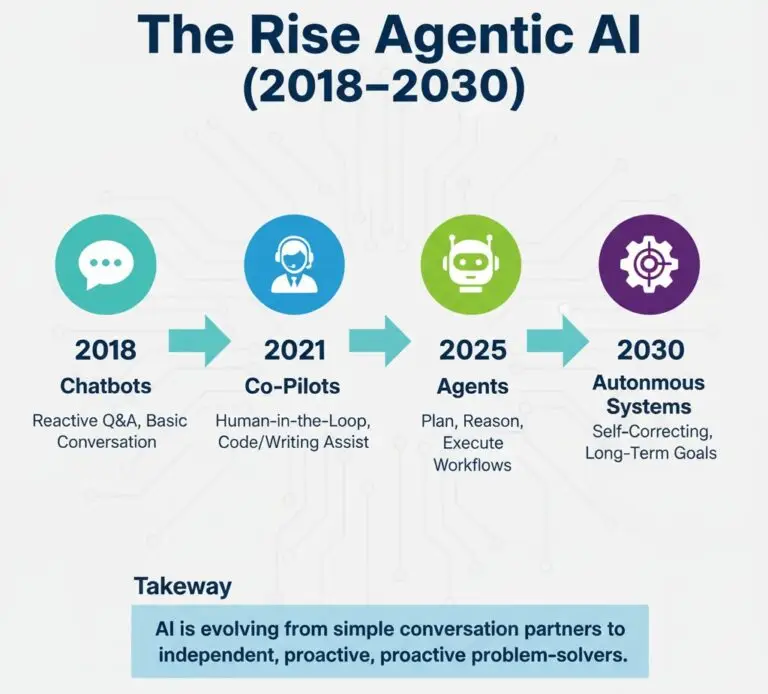
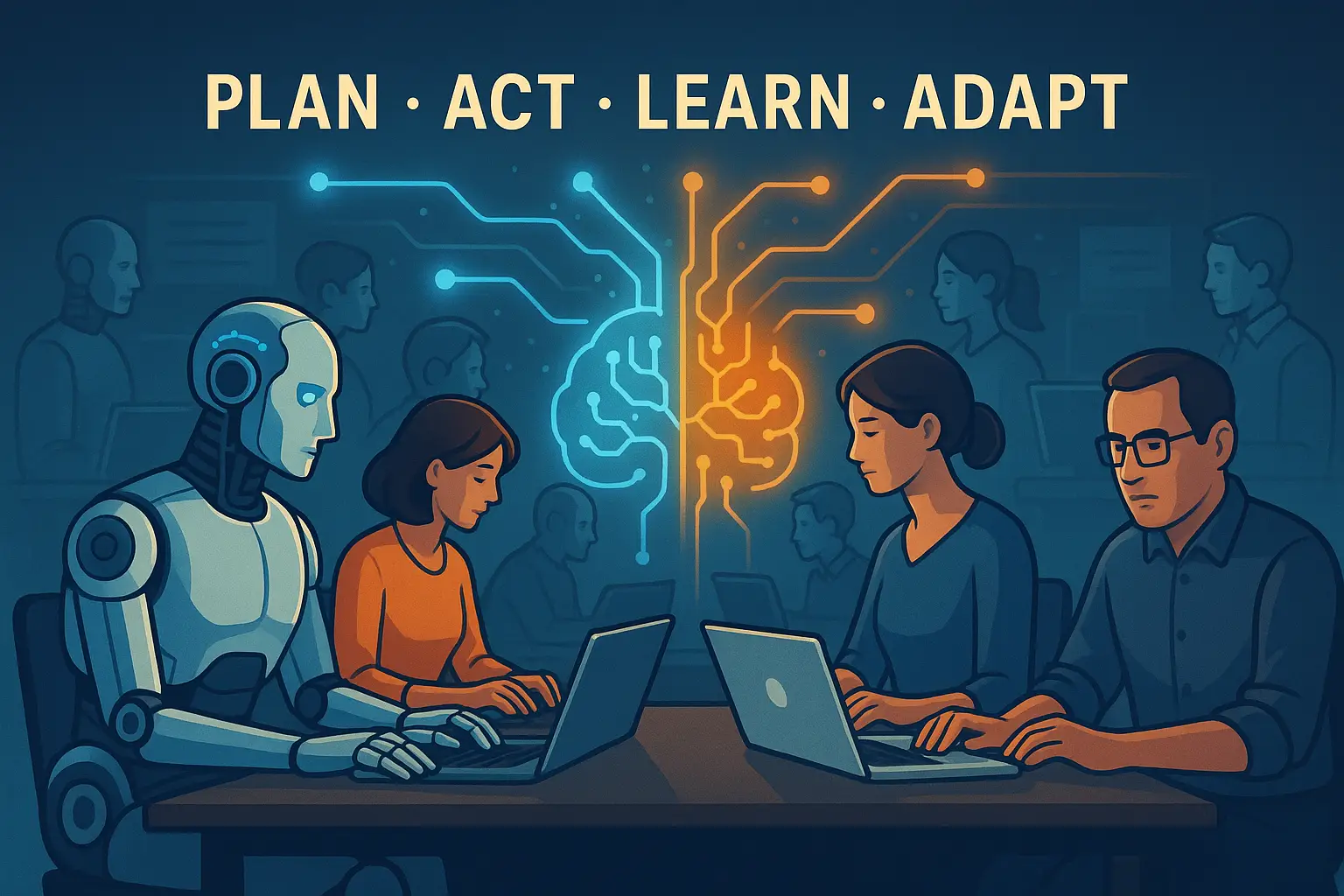
A year ago, AI assistants could draft emails or summarize meetings. Today, they can plan projects, manage tasks, and even negotiate deals. Welcome to the age of Agentic AI — systems that don’t just respond but act.
As companies race to integrate frameworks like LangChain, AutoGen, and CrewAI, the line between “assistant” and “autonomous colleague” is blurring fast.
What Happened
The concept of Agentic AI emerged from a convergence of three technologies:
- Large Language Models (LLMs) capable of long-term reasoning.
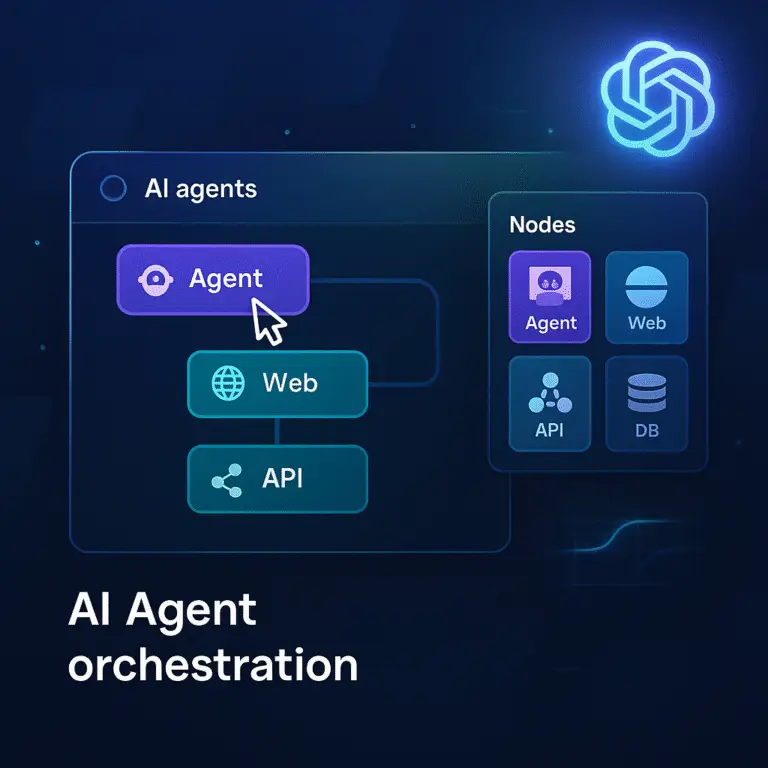
- Tool use frameworks like LangChain and AutoGen that let models take real actions.
- Memory and planning modules enabling self-correction and persistence.
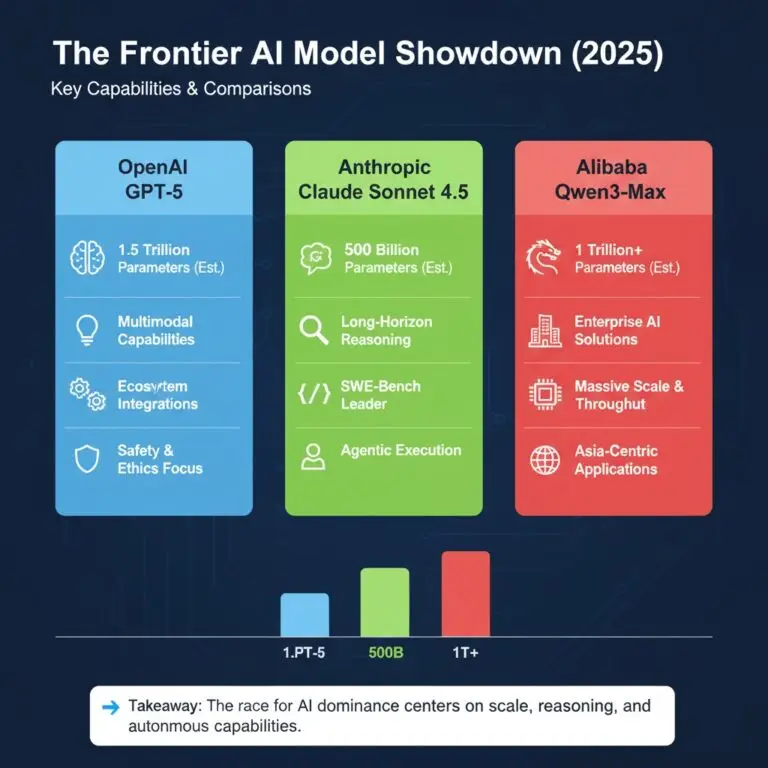
OpenAI, Anthropic, and Google have each hinted that the next step beyond chat is agency. Recent launches — OpenAI’s AgentKit, Anthropic’s Claude Sonnet 4.5, and Google’s Gemini Extensions — all point in one direction: AI that can operate autonomously across digital environments.
Why It Matters
- Productivity Leap: Agentic AI can handle multi-step tasks end-to-end.
- Labor Redefinition: Knowledge workers will manage agents instead of spreadsheets.
- Economic Impact: A McKinsey study predicts $4 trillion in productivity unlocked by AI agents within three years.
- Ethical Implications: Autonomy requires accountability; “who’s responsible when an agent acts?” is the next regulatory frontier.
“Agentic AI turns intelligence into initiative — the moment AI stops waiting for commands.”
What’s Next
- Agent marketplaces offering reusable workflows.
- Cross-platform agents bridging Slack, Salesforce, and Notion.
- Memory ecosystems — persistent identity for agents over time.
- Agent safety standards (the MCP and Agent Trust Protocols).
Key Takeaways
- Agentic AI shifts AI from chatbots to autonomous workers.
- Frameworks like LangChain and AutoGen drive this transition.
- Expect new roles: agent manager, prompt designer, agent safety auditor.
The workplace of 2026 will pair humans + agents as hybrid teams.