
Microsoft Stuns the AI World by Adding Claude to…
In a move that surprised the entire tech world, Microsoft just broke its exclusive streak with OpenAI and announced that Anthropic’s Claude Sonnet 4 will now be integrated into Microsoft 365 Copilot.
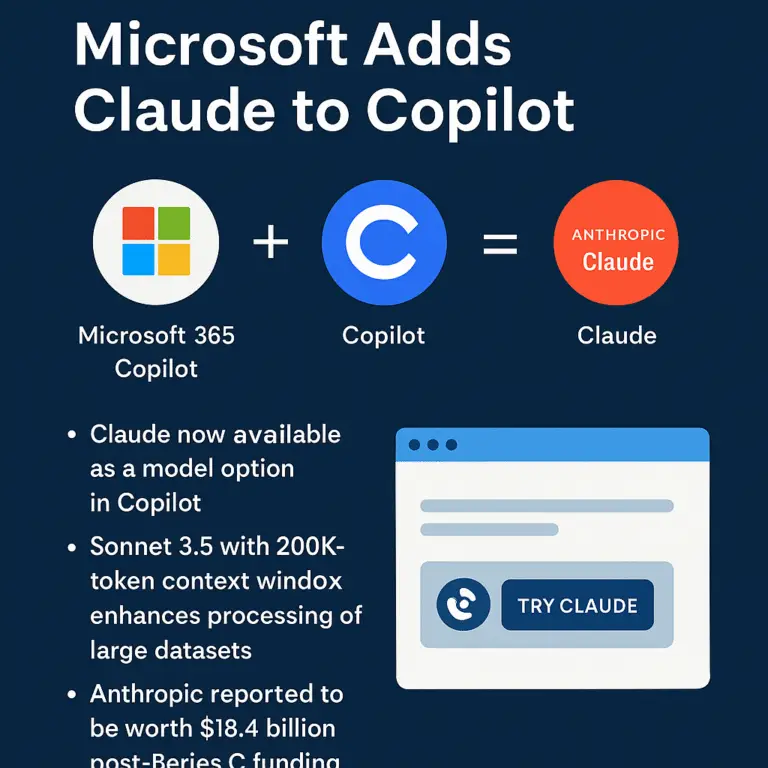
In a move that surprised the entire tech world, Microsoft just broke its exclusive streak with OpenAI and announced that Anthropic’s Claude Sonnet 4 will now be integrated into Microsoft 365 Copilot.
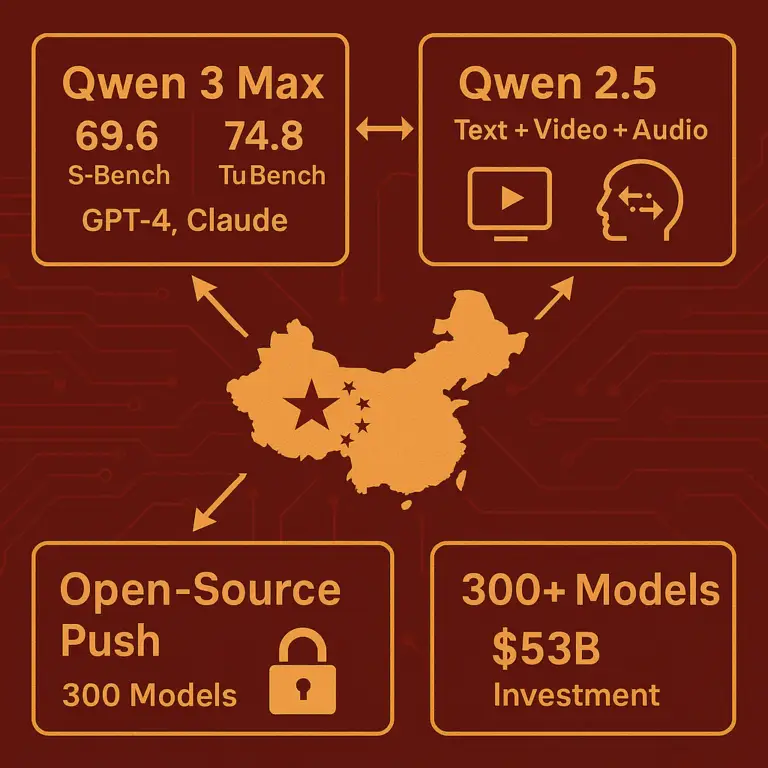
China unleashed a wave of AI breakthroughs that has global tech leaders scrambling. Led by Alibaba, the developments span from trillion-parameter models to cutting-edge multimodal AI — all with an open-source-first approach that could accelerate innovation worldwide.
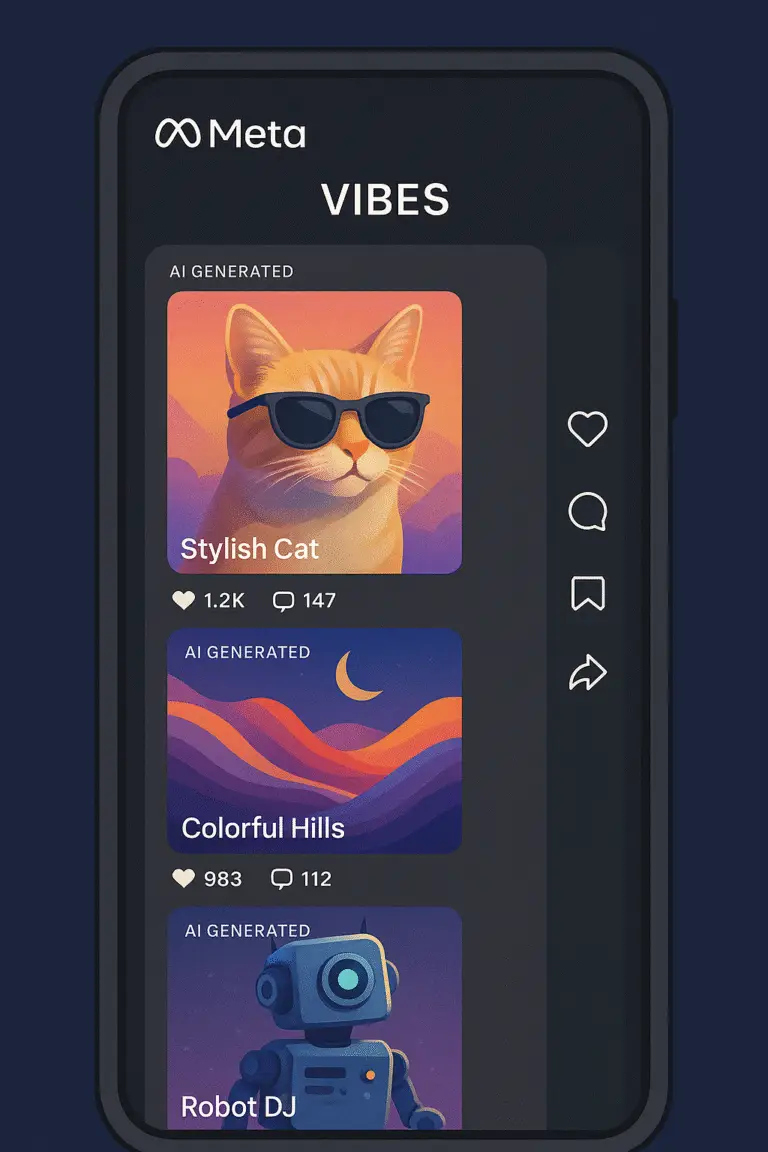
Meta has launched Vibes, a bold experiment in social media where every video is AI-generated. Unlike TikTok or Instagram Reels, there are no human-shot uploads — just synthetic clips made with Meta’s AI tools and partner models like MidJourney and Black Forest Labs.
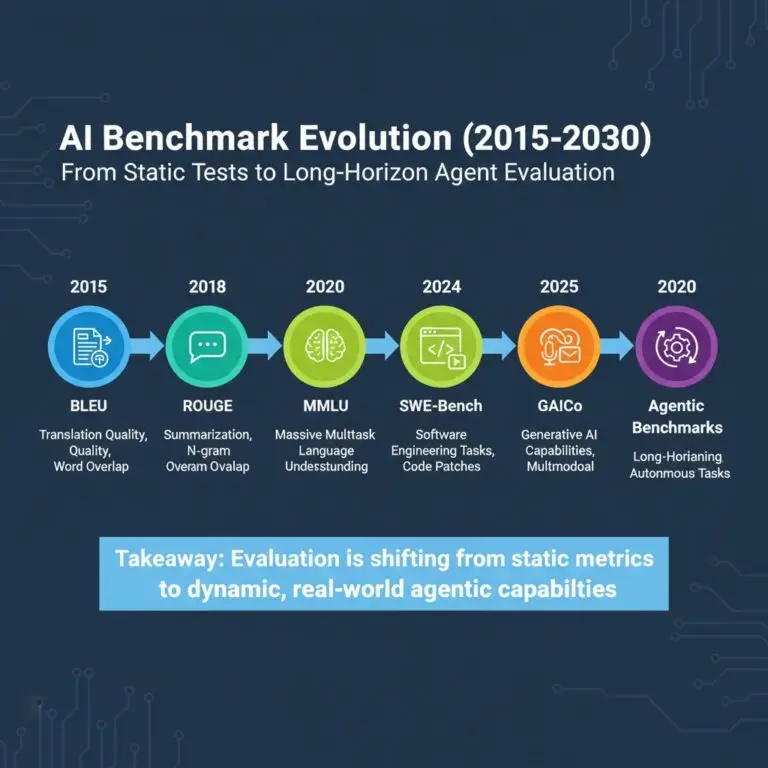
AI progress has been measured through benchmarks like BLEU for translation or MMLU for reasoning. But in 2025, these tests are showing cracks. Models ace benchmarks but stumble in real-world use. The next era of AI evaluation needs to capture adaptability, reasoning, and autonomy.
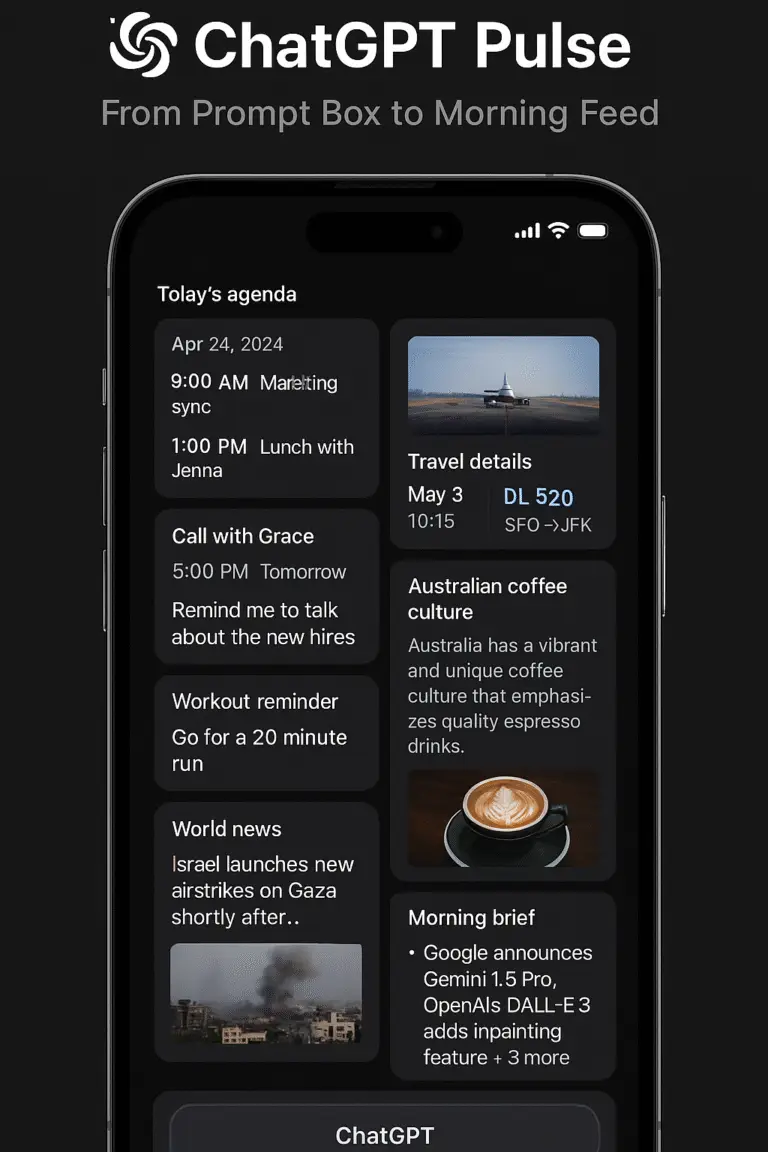
OpenAI just launched one of its most ambitious updates yet: ChatGPT Pulse. Sam Altman himself called it his favorite feature so far. Unlike traditional AI chatbots, Pulse doesn’t wait for your prompt — it proactively works in the background, preparing personalized insights while you sleep.
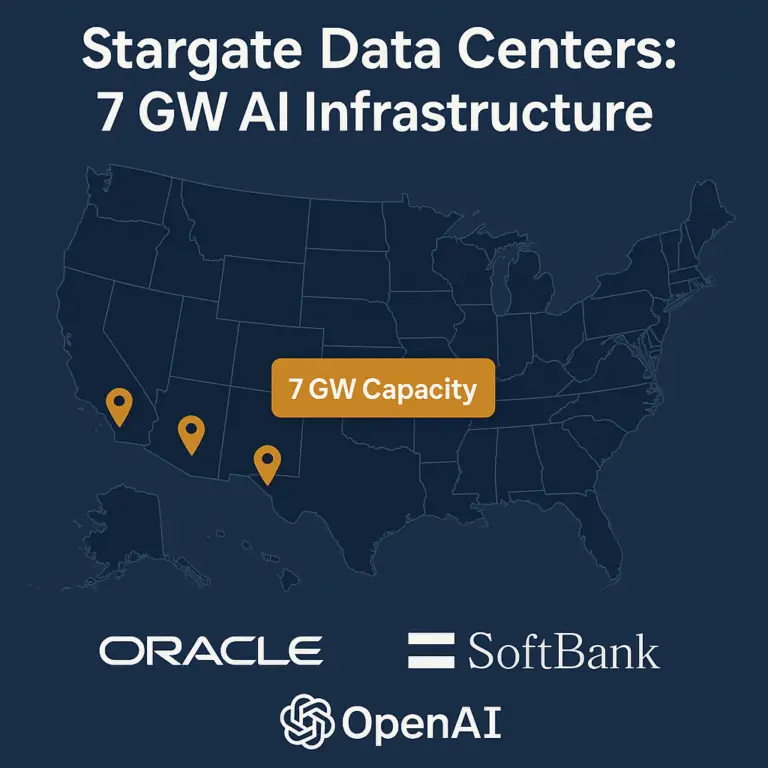
The future of AI isn’t just about smarter models — it’s about the massive infrastructure powering them. OpenAI, in partnership with Oracle and SoftBank, has announced a $500 billion plan to build out 10 gigawatts (GW) of compute capacity by 2025 under its ambitious Stargate project.
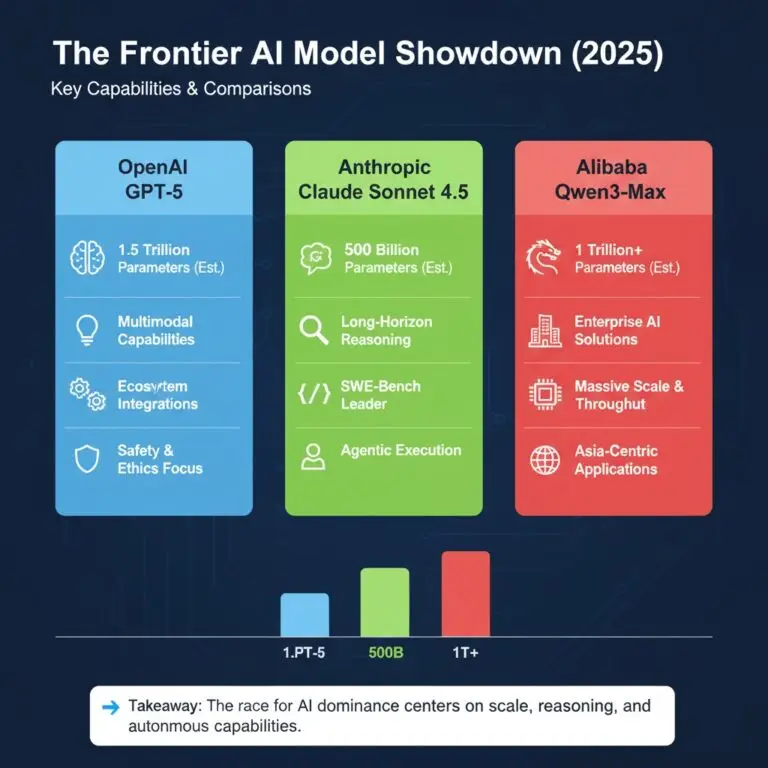
The race for AI dominance has entered a new phase. Anthropic’s Claude Sonnet 4.5, OpenAI’s GPT-5, and Alibaba’s Qwen3-Max are competing not just on intelligence — but on reasoning, scale, and autonomy. Here’s how they stack up.
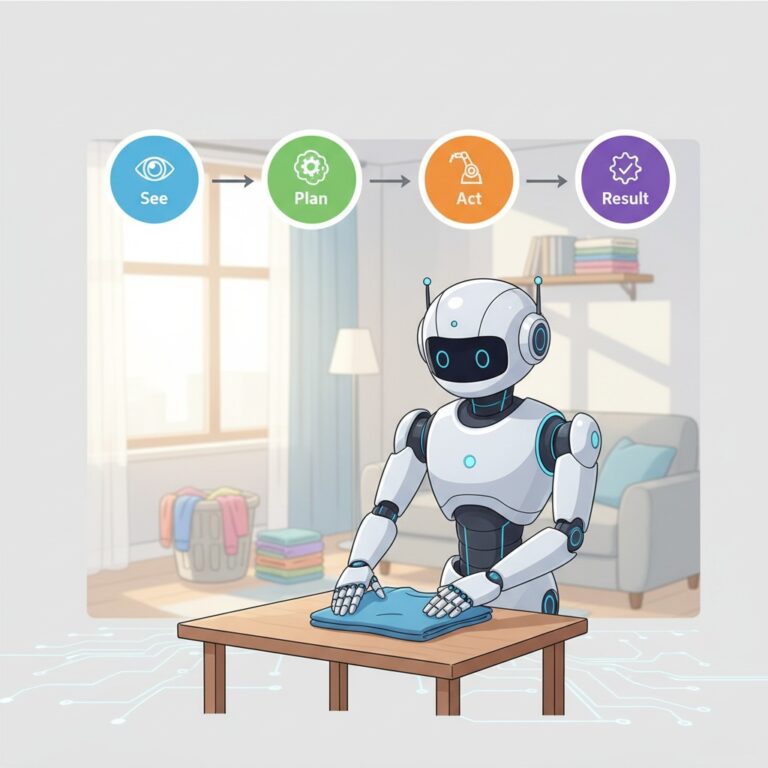
Google DeepMind has unveiled a robotics AI model capable of folding laundry, sorting items, and performing household chores. This signals a leap forward in bringing AI out of the cloud and into our homes.
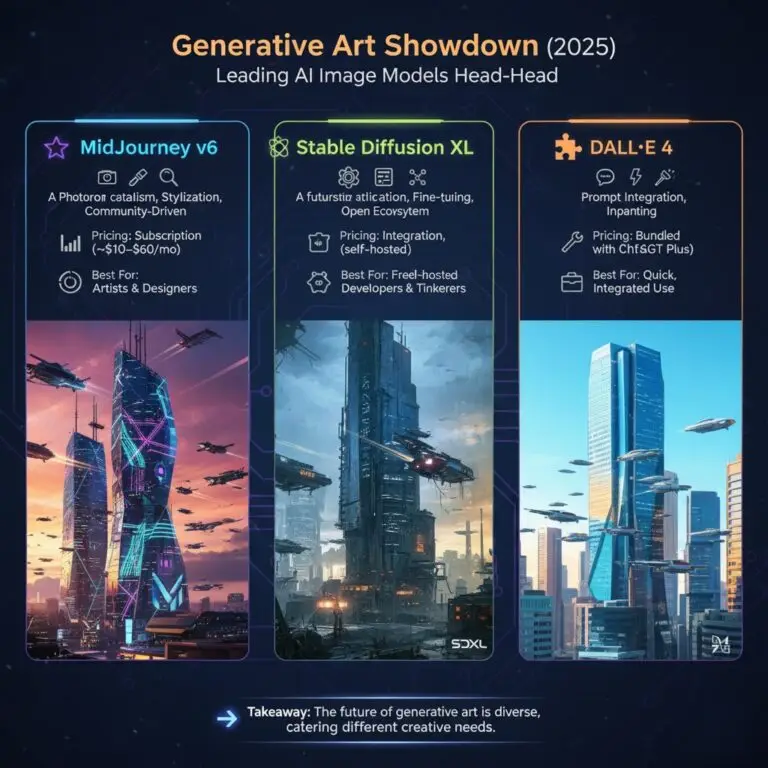
AI image generation has matured rapidly, with three tools leading the space: MidJourney v6, Stable Diffusion XL, and DALL·E 4. Each has unique strengths, pricing models, and creative flexibility. Here’s how they compare.
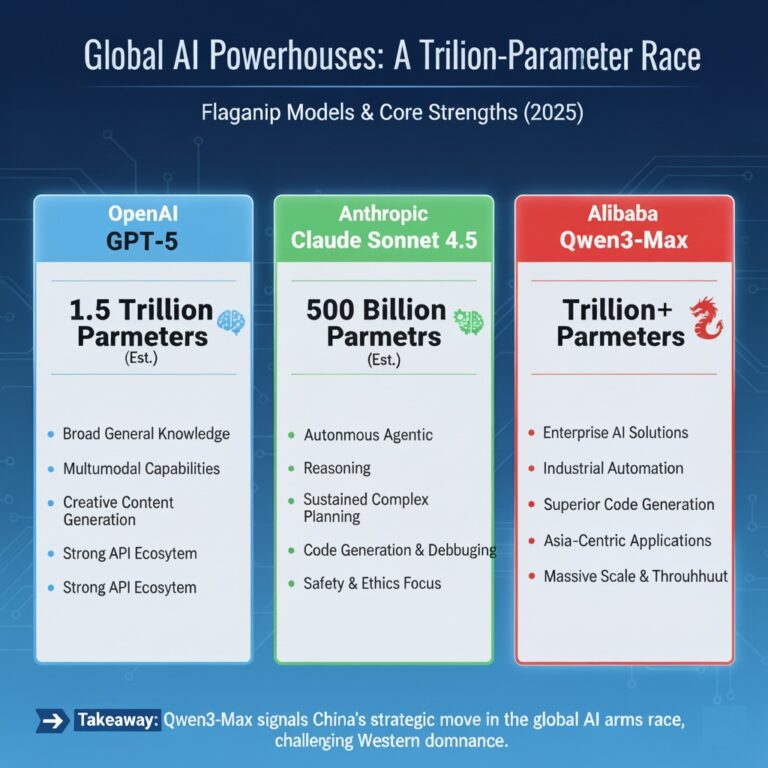
Alibaba Cloud has unveiled Qwen3-Max, a colossal AI model surpassing 1 trillion parameters. It’s pitched as a powerhouse for enterprise, coding, and agent-based tasks — and a direct challenge to U.S. and European models.